A clear starting point
Many trees can be assessed for dormant-season structural work, while fruit varieties, flowering habits, plant condition and disease concerns can change timing. Newly broken or dangerous material needs its own assessment; it should not be treated as routine seasonal shaping.
Winter planning is useful, but it is not a rule for every plant
Leafless branches can make the framework of a deciduous tree easier to discuss. This can help define structure and selected clearance work. The assessment still needs the species, condition and history; a convenient winter appointment does not make every proposed cut suitable.
Plan ahead if a particular timing window matters. Ask which objective is being addressed and whether the amount of work should be staged. The calendar is one part of the decision alongside retained canopy, access and current requirements.
Fruit-tree timing follows the variety and growth response
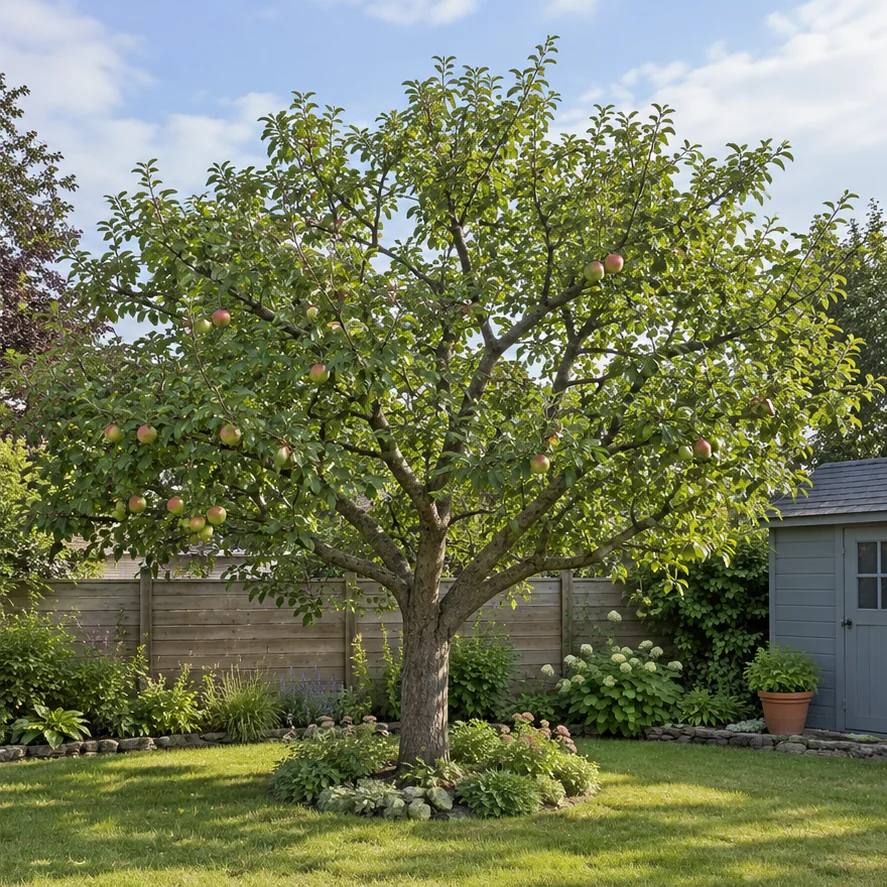
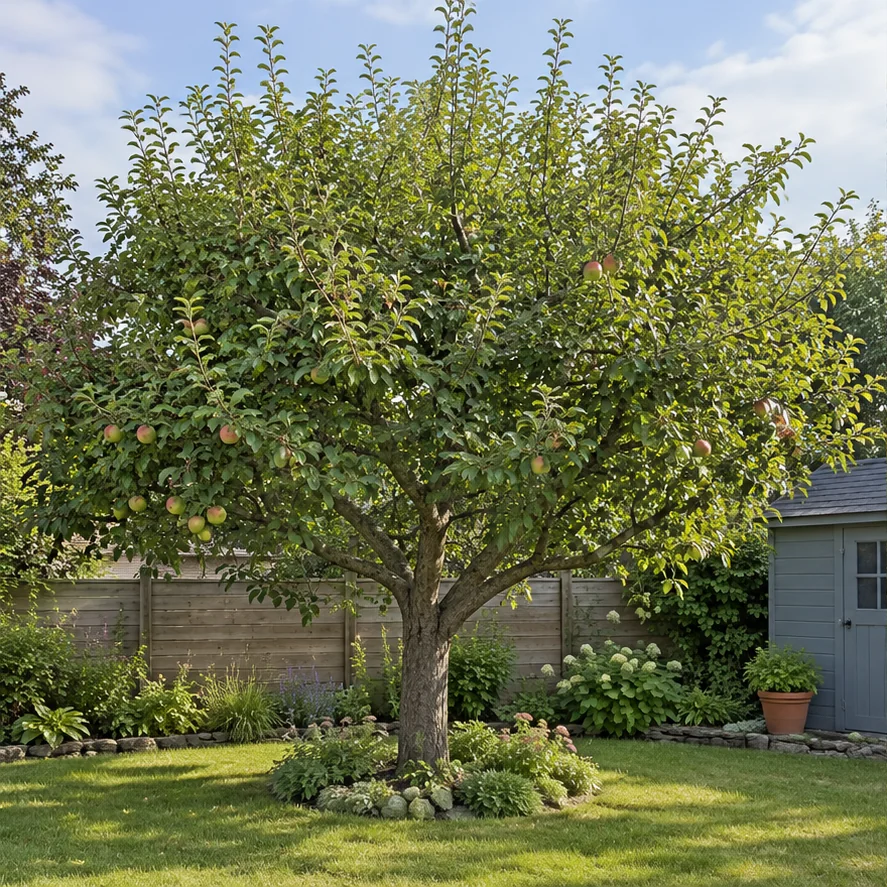
Tell the team whether the tree is an apple, pear, plum, cherry or another fruit type, and share the harvest and pruning history. Dormant and growing-season work can serve different purposes. A mixed group of trees may therefore need more than one plan.
For example, Pacific Northwest extension guidance identifies a different timing consideration for sweet cherries because of infection risk. Use species advice to prepare questions, then obtain a recommendation for the actual Victoria tree, weather conditions and objective. Avoid applying one fruit-tree schedule to every variety.
Flowering trees and privacy hedges need distinct objectives
If blossoms are important, identify the plant and its flowering pattern before a pruning visit. Cutting at the wrong stage can remove growth that would have carried flowers. Fine shaping, structural work and routine clipped maintenance should be discussed as different tasks.
For a hedge, define the height, live growth to retain and maintenance interval. A dense living screen and a heavily overgrown hedge need different assessment. Timing cannot overcome an unsuitable reduction into bare growth or a plant that is poorly matched to its space.
Condition can change a seasonal plan
New breakage, unusual dieback or a visible structural change deserves a separate conversation. Explain when it appeared and what is below the affected area. Do not wait for a preferred shaping season to ask about a new concern near occupied space.
For routine work, share recent drought stress, soil changes and earlier heavy pruning. The tree’s capacity to respond matters. A useful seasonal plan also says what will be observed afterwards and when follow-up advice is needed.
Plan the timing around the objective
| Plant or concern | Information to provide | Timing question to ask |
|---|
| Deciduous garden tree | Species, framework and clearance objective. | Would dormant-season work suit this tree and scope? |
|---|
| Fruit tree or flowering specimen | Variety, harvest or flowering history and previous cuts. | Which growth needs to be retained and what window suits the objective? |
|---|
| Hedge or newly damaged branch | Species and target outline, or the recent damage. | Is this maintenance work, staged reduction or a separate damage assessment? |
|---|
Further information for tree owners
These resources support the planning questions in this guide. Local requirements and the suitable work are confirmed for your address, tree and project.