Crown reduction, selective thinning and deadwood removal are different pruning tasks. Dogwood helps define the actual objective, so the pruning plan is matched to the tree rather than a broad request to make it smaller.
Crown Reduction & Deadwood Removal in Victoria, BC
Crown reduction, thinning and deadwood removal are distinct tasks. The useful scope names the objective and suitable branches instead of specifying indiscriminate cuts across the whole tree.
Reduction is a specific pruning plan
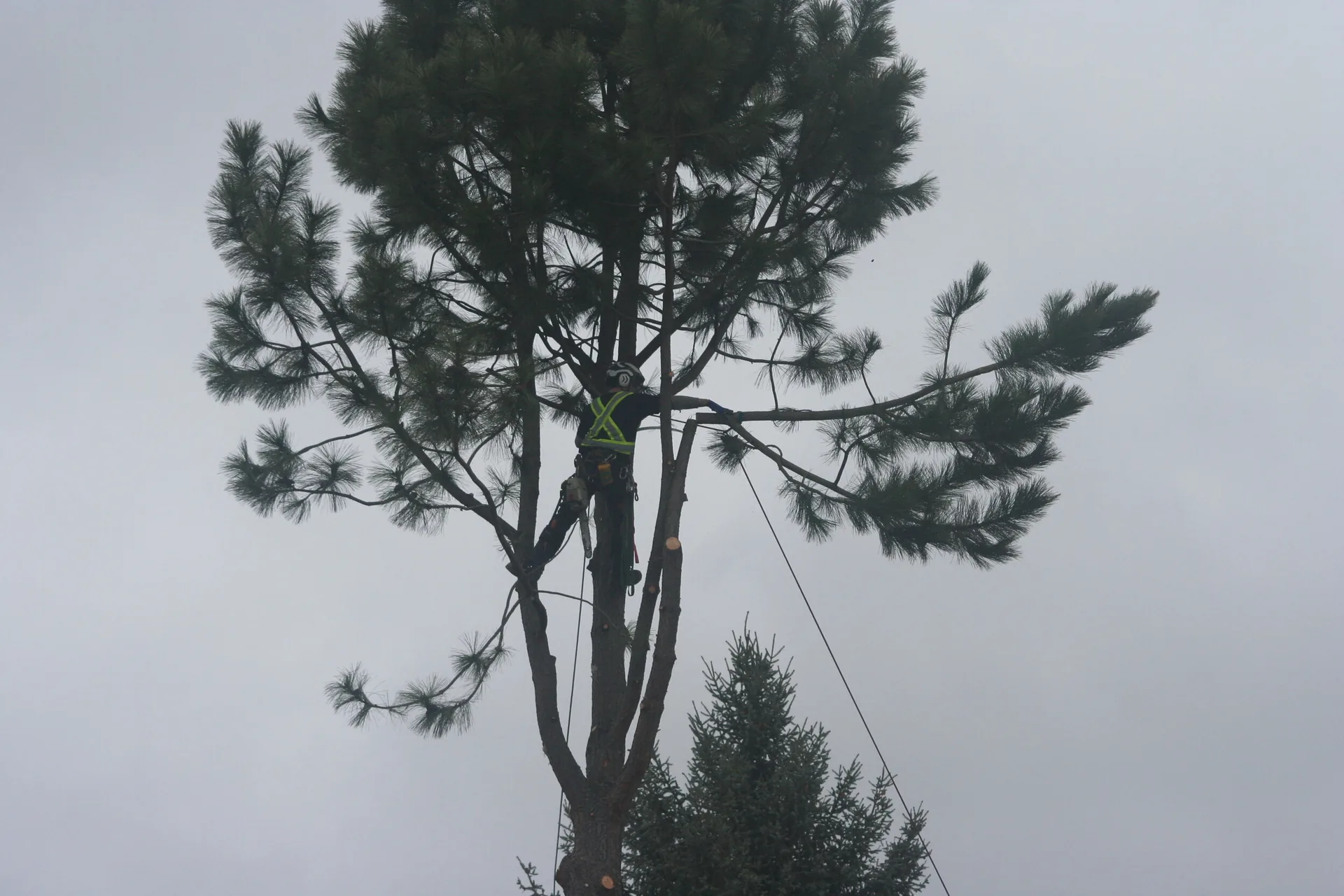
The aim is to address suitable branches and retain a viable framework. Tree condition, branch structure and the amount of live growth matter. We discuss what can realistically be achieved for clearance or size management before agreeing on the work.
Deadwood and crown inspection
Dead branches may need attention, particularly over frequently used areas. We look at access, branch size and nearby structures when planning work. Deadwood removal does not by itself resolve every concern with a tree’s health or structure.
Avoid indiscriminate topping
Cutting every main branch to a stub can damage a tree and create ongoing maintenance problems. Ask about selective pruning options and a sensible future maintenance plan. Where removal is the appropriate option, that should be considered separately.
Define clearance instead of asking for a uniform height cut
A request to make a tree several metres shorter does not describe which branches can be reduced appropriately. Identify the building, route or part of the crown that concerns you. Species and structure guide the suitable cuts and the canopy that should remain. For a mature tree, a staged plan or another management option may better suit the long-term goal.
Canopy management with a realistic follow-up
Removing dead branches does not stop future deadwood from developing, and reduction does not stop regrowth. Discuss what to monitor, how the tree may respond and when the original objective should be reassessed. A useful plan balances immediate work with the condition and maintenance of the retained crown. Clearance, view improvement and tree health should remain separate objectives in the conversation.
Reduction should target a defined part of the crown
A request to reduce height, spread or limb weight needs more detail than a percentage alone. Suitable reduction cuts retain branches capable of continuing the tree’s form. The tree’s condition and existing structure determine whether the objective is practical.
Your concern
An approach to discuss
What matters
An overextended branch
Consider targeted reduction where suitable.
Identify the limb and the nearby roof, path or garden use; the entire canopy may not need the same work.
An oversized canopy
Assess the achievable change and retained structure.
A requested height cannot be promised before suitable cut locations are reviewed.
A previously topped tree
Review the resulting growth and condition.
Restoration, staged work or a different long-term option may be needed.
Understand the maintenance commitment after reduction
Reduction does not stop a tree from growing. Discuss how later shoots or branch extension may affect the original concern and what review would be useful. The quote should describe the agreed objective and intended finish, including any limit to what can responsibly be achieved.
If the tree is repeatedly in conflict with its location, compare continued care with other suitable options. This can include a changed clearance objective or a different planting where removal is permitted and appropriate. Repeating indiscriminate cuts is not a substitute for that decision.
Prepare a useful enquiry
The precise height, spread or limb concern.
The shade and canopy features you want retained.
Photos and dates of earlier reductions or topping.
Plan crown reduction & deadwood removal for your community
Property conditions and current requirements differ across the region. Explore local planning for Victoria, Saanich, Langford, Colwood and other service areas, then provide the exact address for assessment arrangements.
Our tree-service pricing page explains the cost factors and inclusions to discuss. Before removal, major pruning or property changes around retained trees, check the local tree-permit guide and relevant authority.
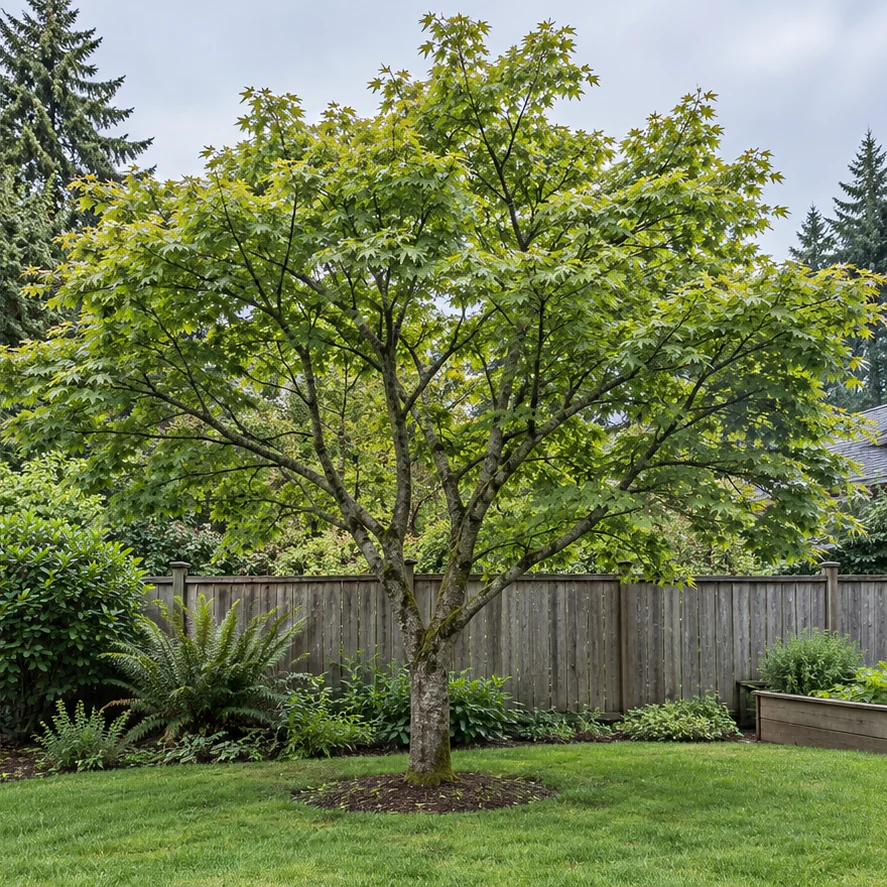
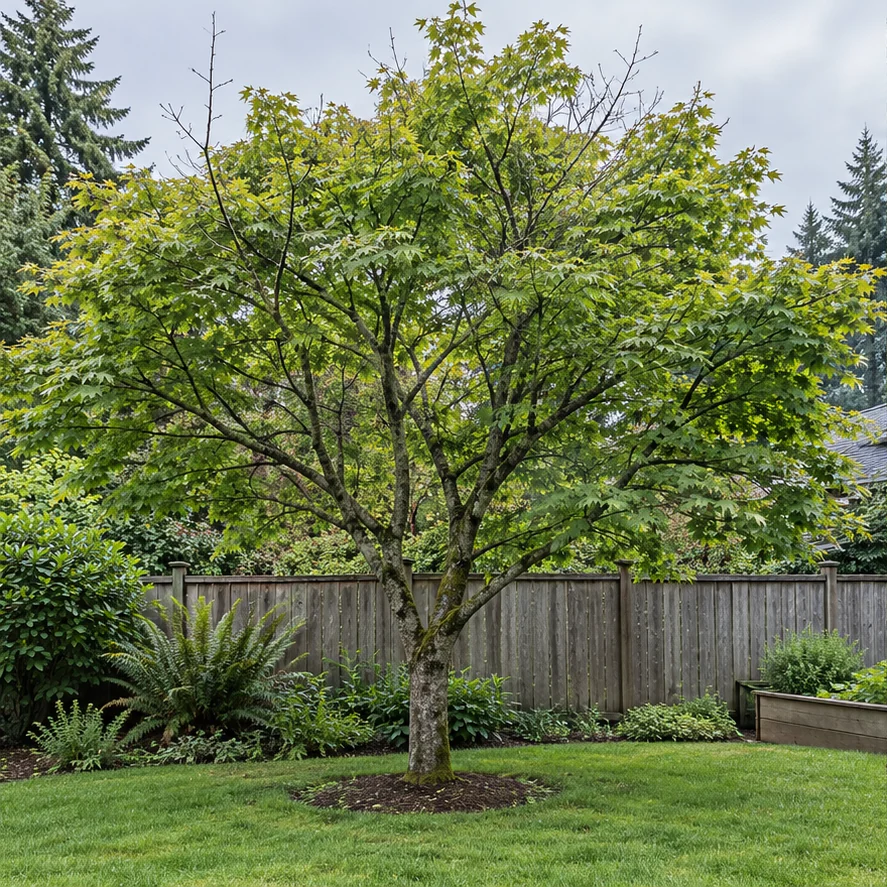
Before and after comparison
Crown Reduction & Deadwood Removal in Victoria, BC.
Explore a visual example of the outcome before defining your own scope.
BeforeAfter
Tree Pruning in Greater Victoria
Selective tree trimming with a natural canopy and garden character retained.
Drag, tap or use the arrow keys to compare.
The result and the scope belong together
Appropriate pruning improves the agreed form or clearance while retaining suitable living growth. This visual example explains a possible outcome, rather than a completed Dogwood project. Your own plant follows its species, condition and assessed scope.
Crown Reduction & Deadwood Removal in Victoria: detailed answers.
Understand your options before you book.
Do you top trees?+
We assess an appropriate pruning approach rather than defaulting to indiscriminate topping. A species-specific reduction or other targeted work may be more suitable.
Is crown reduction simply another name for tree topping?+
No. Reduction uses selected cuts suited to the remaining branch framework; indiscriminate topping removes major growth without that same objective. The assessment should explain the intended cuts and retained crown. Ask for a purpose-based plan rather than choosing a method solely because it promises the biggest immediate size change.
Can crown thinning guarantee more sunlight indoors?+
No. The effect depends on crown structure, orientation, buildings and other vegetation. Explain which room or garden area lacks light, then discuss realistic pruning options. Excessive branch removal may not suit the tree. A clear objective helps avoid paying for work that changes the canopy without achieving the intended result.
Does deadwood removal need to happen at the same time as reduction?+
The tasks can be considered together, but one does not automatically require the other. A tree may need selected dead branches removed without a change to its living crown. The quote should identify each objective and the amount of work, so routine cleanup does not become an unexplained major reduction.
What limits the amount of crown reduction on a mature tree?+
Condition, species, the available branch framework and previous pruning all matter. Protected-tree requirements may add further limits. The desired height cannot be the only deciding factor. Discuss which parts of the crown can be managed, what will remain and whether the work should be spread over more than one visit.
Will reduced branches need attention again in future?+
Trees continue growing, and the response varies with species and the cuts made. Ask how the retained crown should be monitored and when reassessment may be useful. A maintenance plan is more realistic than treating reduction as a permanent stop to growth or future branch concerns.
Can pruning be planned around a roof without stripping the whole canopy?+
Often the conversation can focus on the branches affecting that roof rather than all live growth. The assessment establishes suitable clearance and whether the structure allows it. Share a wide view of the building and crown, plus the specific interference, so the recommendation is tied to the actual site.